A few missing shingles after a windstorm, a water stain spreading across the ceiling, or visible hail damage can leave Denver property owners facing an expensive question: should the roof be repaired, or is it time to replace it entirely? The answer is not always obvious. A roof can look worn from the street while still having years of useful service life, and a relatively small leak can sometimes reveal damage extending far beyond the area where water first appeared. Choosing the wrong solution could mean spending money on repairs that do not address the underlying problem or replacing a roof that could have been restored with a targeted repair.
In Denver, this decision becomes more complicated because of Colorado’s weather conditions. Hailstorms, strong winds, snow accumulation, intense sunlight, and seasonal temperature changes can affect roofing materials differently. A newer roof damaged by a single storm may only need localized attention, while an older roof experiencing repeated leaks could be approaching the end of its useful life. Understanding the differences between roof repair vs replacement helps homeowners and commercial property managers make informed decisions based on the roof’s actual condition, the extent of damage, and long-term costs.
Should You Repair or Replace Your Roof?
Roof repair is generally the better option when damage is limited to a specific area, the surrounding roofing materials remain in good condition, and the roof has substantial useful life remaining. Problems such as a few missing shingles, minor flashing damage, or an isolated leak can often be corrected through professional Denver roof repair services without replacing the entire roof.
Roof replacement becomes more practical when damage affects large sections, roofing materials have significantly deteriorated, or recurring repairs are no longer providing lasting protection. Age, storm damage, underlying moisture problems, and the condition of the roof decking also influence the decision. Ultimately, a professional inspection is the most reliable way to determine which option makes financial and structural sense for your property.
When Localized Roof Damage Can Usually Be Repaired
Not every roofing problem requires a complete replacement. In fact, many common issues can be resolved through targeted repairs, particularly when the damage is identified early and the surrounding materials remain structurally sound.
For example, strong winds may lift or remove several shingles from one section of a roof while leaving the remaining surface unaffected. A roofing contractor may be able to replace the damaged shingles, inspect the exposed underlayment, and restore the area’s ability to shed water. Similarly, isolated flashing damage around a chimney or plumbing vent may be repairable without disturbing large sections of the roof.
Common situations where repairs may be appropriate include:
Missing or damaged shingles: A limited number of shingles are cracked, lifted, or missing, but adjacent materials remain flexible and secure.
Minor roof leaks: Water intrusion originates from a clearly identified and repairable point.
Flashing problems: Metal flashing around chimneys, vents, skylights, or roof transitions has loosened or deteriorated.
Localized storm damage: Wind or hail has affected a small section without compromising the surrounding roofing system.
Small areas of decking damage: Limited deterioration can be addressed by replacing affected decking as part of a properly planned repair.
However, successful repairs require more than covering the visible damage. The underlying cause must be identified, and replacement materials must be compatible with the existing roofing system.
For additional examples, Alpaca Roofing explains several issues in its article on the most common roofing repairs.
Signs That Roof Damage May Be Too Widespread for Repairs
While isolated problems are often repairable, damage affecting multiple sections of a roof may indicate that replacement is the more dependable solution. This is particularly important after significant hailstorms or when roofing materials have deteriorated from years of exposure.
One of the clearest warning signs is damage appearing in several unrelated areas. If shingles are cracked across multiple roof slopes, protective granules are extensively missing, or numerous leaks have developed, individual repairs may not adequately restore the roof’s performance. Additionally, widespread moisture damage beneath the roofing materials can make surface repairs ineffective.
Some common signs you need a new roof include:
Extensive cracking, curling, or deterioration across large roof sections.
Repeated leaks in different areas of the property.
Widespread shingle damage following a severe hailstorm.
Soft, deteriorated, or moisture-damaged roof decking.
Large areas of loose, damaged, or failing roofing materials.
Previous repairs that repeatedly fail to prevent water intrusion.
It is important to understand that these conditions do not automatically require replacement. Their severity and distribution matter.
A qualified Denver roof replacement contractor can evaluate whether the damage is limited to specific sections or indicates that the roofing system has reached a point where continued repairs are no longer practical.
How Roof Age Affects the Repair vs. Replacement Decision
Age is an important factor in deciding whether to repair or replace roof Denver properties, but it should never be the only consideration.
Different roofing materials have different expected service lives. Asphalt shingles, metal roofing, tile, and commercial membrane systems deteriorate at different rates depending on installation quality, maintenance, weather exposure, and material specifications. A roof that has experienced several severe hailstorms may show significant deterioration earlier than another roof of the same age.
For example, replacing several missing shingles on a relatively new roof may be reasonable because the remaining materials are likely to have substantial useful life. However, performing the same repair on an older roof with brittle shingles may create additional challenges. Surrounding shingles can crack during removal or installation, and replacement products may no longer match the existing materials.
Before deciding, property owners should consider three questions:
How old is the existing roofing system?
Has the roof experienced significant storm damage or recurring leaks?
Are the surrounding materials still in suitable condition for a dependable repair?
A professional should evaluate these factors together. An older roof does not automatically need replacement, just as a newer roof is not guaranteed to be repairable.
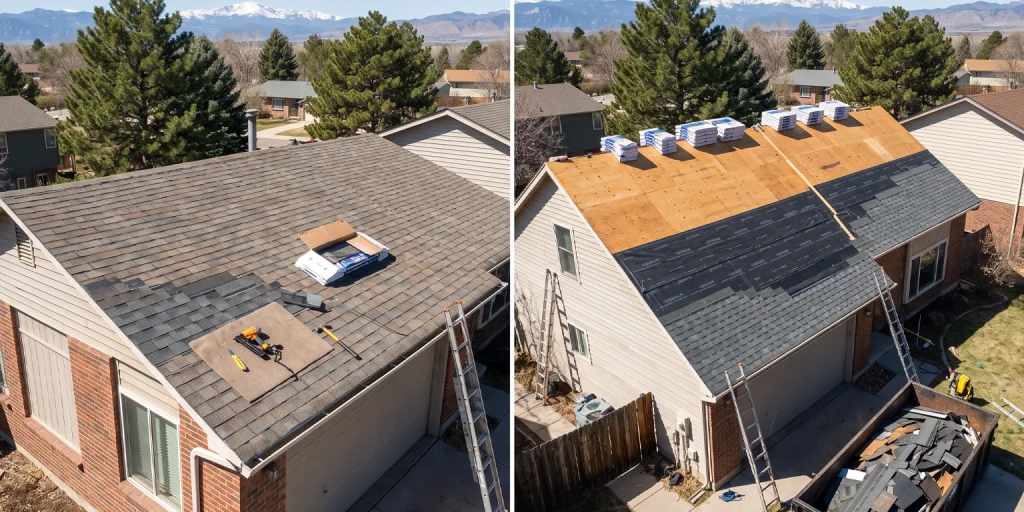
Roof repair is generally preferable when damage is localized and the remaining roofing materials are in good condition. Replacement may be more appropriate when deterioration is widespread, leaks are recurring, or the roof is approaching the end of its useful life. A professional inspection can help determine the most practical option.
Yes, some hail damage can be repaired when it is limited to specific areas and the remaining roofing materials are in suitable condition. If hail has damaged large sections of the roof or compromised the roofing system, replacement may be more appropriate.
Replacement can be more cost-effective when repairs are frequent, expensive, or unable to address widespread deterioration. However, if the roof is otherwise healthy, targeted repairs typically involve a smaller upfront investment. Comparing repair estimates with the roof's expected remaining service life helps clarify the decision.
Missing Shingles, Roof Leaks, Flashing Problems, and Damaged Decking
Although these issues are frequently grouped together as roofing damage, they can involve very different repair requirements.
Missing shingles typically expose the underlayment to weather, increasing the risk of water intrusion. If addressed promptly, the damaged section may be relatively straightforward to restore. Flashing problems are different because they occur around roof penetrations and transitions where waterproofing details must accommodate changes in materials and roof geometry.
Leaks require especially careful investigation. Water can travel along roof decking, framing, or other building components before becoming visible inside the property. Consequently, the location of a ceiling stain may be several feet away from the actual entry point.
For property owners dealing with active leaks, Alpaca Roofing’s guide on what to do if your roof is leaking provides additional practical guidance.
Damaged roof decking presents another concern. Decking is the structural sheathing beneath the roof covering. If moisture has caused sections to soften, rot, or lose their ability to hold fasteners, simply installing new shingles over the affected area will not resolve the problem.
The U.S. Department of Energy also emphasizes the importance of evaluating surrounding roofing materials, flashing, and structural sheathing when inspecting skylights for water damage.
Repairing Storm Damage vs. Replacing an Aging Roof in Denver
Storm damage and age-related deterioration sometimes look similar, but they can require different solutions.
Denver’s weather creates several challenges for roofing systems. Severe thunderstorms can produce damaging hail and strong winds, while winter weather exposes roofs to snow, ice, and temperature fluctuations. The National Weather Service’s Denver/Boulder office documents significant local weather events, including storms involving large hail.
After a storm, a newer roof may have isolated impact damage that can be repaired. However, widespread hail damage can compromise roofing materials across multiple slopes, potentially making replacement more appropriate.
An aging roof presents a different situation. Rather than damage occurring during one event, materials may gradually lose flexibility, protective granules, adhesion, or waterproofing performance.
This distinction matters because the objective of a storm repair is generally to restore damaged components, while replacing an aging roof addresses deterioration affecting the system as a whole.
The Insurance Institute for Business & Home Safety provides additional information about roofing materials, weather exposure, and damage characteristics.
Following significant weather, property owners should document visible damage, protect interior belongings from active leaks, and arrange an inspection before making major repair decisions.
Why Multiple Recurring Roof Repairs Can Indicate a Larger Problem
One repair does not necessarily suggest that a roof is failing. However, repeated repairs involving different areas or recurring leaks deserve closer attention.
Consider a Denver homeowner who repairs flashing around a chimney, experiences another leak several months later, and subsequently discovers deteriorated shingles along a different roof slope. Each individual repair might appear manageable, but the pattern could indicate broader material deterioration or installation issues.
Similarly, repeatedly patching the same leak without identifying its source may allow moisture to continue affecting insulation, decking, and interior finishes.
When repairs become frequent, the important question changes from “Can this section be fixed?” to “Will another repair meaningfully extend the roof’s useful life?”
A professional inspection should examine whether the recurring problems share an underlying cause. If deterioration is widespread, replacing the affected roofing system may provide better long-term value than continuing to address symptoms individually.
Comparing Short-Term Roof Repair Costs With Long-Term Replacement Costs
One of the biggest differences between roof repair vs replacement is the initial investment.
Roof repairs generally cost less upfront because they involve fewer materials and a smaller work area. For a relatively new roof with localized damage, repairing the affected section may be the most economical approach.
Roof replacement requires a larger investment because it typically involves removing existing roofing materials, evaluating the underlying structure, installing new roofing components, and addressing related flashing and ventilation details.
However, the lowest upfront cost is not always the lowest long-term cost.
For example, several repairs performed over a short period can become expensive when labor, materials, and potential interior water damage are considered. Conversely, replacing an otherwise healthy roof because of one isolated leak could create unnecessary expenses.
Property owners should request estimates that clearly identify:
The scope of work and materials being replaced.
Whether underlying decking or flashing repairs are included.
The condition and expected remaining service life of the existing roof.
Any limitations associated with repairing older materials.
Potential additional work if concealed damage is discovered.
Applicable workmanship and manufacturer warranty terms.
When replacement is appropriate but presents a budgeting challenge, homeowners can also review available roofing financing options.
The best financial decision depends on the roof’s condition, estimated repair frequency, replacement scope, and how long the owner intends to keep the property.
What Affects Roof Repair and Replacement Costs in Denver?
Roofing estimates can vary considerably, even between properties with similar square footage. The size of the roof is important, but it is only one component of the total project.
Several factors influence cost, complexity, and completion timelines.
Roof size and design: Larger roofs, steep slopes, valleys, dormers, and numerous penetrations can require more labor and materials.
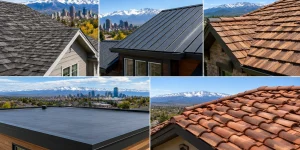
Roofing materials: Asphalt shingles, metal roofing, tile, and commercial membranes have different installation and repair requirements.
Existing roof condition: Damaged decking, deteriorated flashing, or previous installation problems can increase the scope of work.
Accessibility: Multi-story properties, restricted access, and complicated roof layouts may require additional equipment or precautions.
Weather conditions: Snow, rain, wind, and unsuitable temperatures can affect scheduling and installation requirements.
Permits and inspections: Applicable requirements can influence project planning, particularly for larger replacements or structural repairs.
Urgency: Active leaks or storm-related emergencies may require temporary protection before permanent work begins.
Denver also has specific roofing permit requirements. Property owners can review the City and County of Denver’s roofing permit guidelines to understand how project scope affects permitting. Requirements may differ outside Denver city limits.
Because these factors vary, accurate pricing and timelines require an assessment of the specific property.
Residential vs. Commercial Roof Repair and Replacement
Although the decision-making principles are similar, residential and commercial roofing systems often present different challenges.
Most residential roofing projects involve sloped roofing systems, commonly using asphalt shingles or other materials designed to shed water. Residential roof repair Denver services typically address missing shingles, flashing failures, leaks, and storm damage.
Commercial properties may use low-slope roofing systems with materials such as TPO, EPDM, PVC, or modified bitumen. These systems involve different drainage details, seams, penetrations, and maintenance considerations.
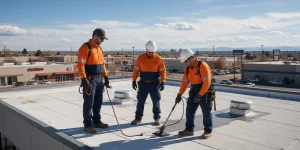
For example, a localized membrane puncture may be suitable for commercial roof repair in Denver. However, widespread membrane deterioration, saturated insulation, or repeated failures across a large commercial roof may require consideration of commercial roof replacement.
Commercial property owners should also account for rooftop HVAC equipment, drainage systems, tenant operations, and the potential disruption associated with roofing work.
Regular inspections help identify problems before they interrupt business operations. For more information, see how often a commercial roof should be inspected in Denver.
When Is a Professional Roof Inspection Necessary?
A professional roof inspection is particularly important when damage cannot be evaluated safely from the ground, leaks continue after previous repairs, or storm damage may extend beyond what is immediately visible.
If you are wondering, “Does my roof need to be replaced?” an inspection should provide more than a simple recommendation. The contractor should be able to explain the condition of the roofing materials, identify areas of concern, and describe why repair or replacement is appropriate.
A typical roof inspection Denver property owners request may include evaluating:
Visible deterioration or storm-related damage.
Shingles, membranes, flashing, and roof penetrations.
Roof edges, valleys, and drainage areas.
Evidence of moisture intrusion or damaged decking.
Previous repairs and potential installation deficiencies.
The overall condition and repairability of the roofing system.
Property owners should request photographs of significant findings and an explanation of recommended work. It is also reasonable to ask whether a less extensive repair is feasible and what limitations it may have.
A reputable Denver roofing company should help you understand the available options without pressuring you into an immediate replacement when the evidence does not support one.
When Should You Contact a Qualified Roofing Professional?
Contact a qualified roofing contractor when you notice active leaks, missing shingles after severe weather, visible sagging, damaged flashing, or recurring moisture stains. These conditions can worsen if water continues entering the roofing system.
Avoid climbing onto the roof to investigate damage yourself, particularly after storms or when surfaces may be wet, icy, steep, or unstable. Roof access involves serious fall hazards, and walking across damaged materials can create additional problems.
For an active leak, move belongings away from the affected area when safe and document visible damage. If water is near electrical fixtures or there are signs of structural instability, keep clear of the affected area and seek appropriate emergency assistance.
Professional leaking roof repair Denver services can identify the source and determine whether temporary protection, localized repairs, or more extensive work is necessary.
Making the Right Roofing Decision for Your Denver Property
Choosing between roof repair and roof replacement comes down to understanding the condition of the entire roofing system, not simply the most visible problem.
A well-maintained roof with isolated damage may benefit from a relatively straightforward repair. On the other hand, an aging roof with widespread deterioration, recurring leaks, or significant storm damage may be better served by replacement.
Before committing to either option, request a detailed inspection, review the findings, and compare the expected benefits against the total cost. Ask about the remaining condition of surrounding materials, any concealed damage concerns, and whether the proposed work addresses the root cause.
Alpaca Roofing provides residential and commercial roofing services throughout the Denver area. If you are uncertain which solution your property needs, you can contact Alpaca Roofing to discuss the condition of your roof and the available options.
An informed decision today can help avoid unnecessary work while ensuring your property receives the protection it needs.