If your roof is approaching 15, 20, or even 25 years old, it is reasonable to start wondering how much useful life it actually has left. In Denver, that question can be more complicated than simply comparing the installation date with a manufacturer’s expected lifespan. A roof along the Front Range may spend years dealing with intense sunlight, sudden temperature changes, snow, high winds, and hailstorms. One significant weather event can also change the condition of a roof that appeared to have many years of service remaining.
Homeowners researching how long does a roof last in Colorado should therefore think of roof age as one part of a larger picture. Roofing material, installation quality, attic conditions, maintenance history, storm exposure, and previous repairs all influence how long the system continues protecting the home. Understanding those factors can help you determine whether you need routine maintenance, a professional inspection, targeted roof repair, or eventually a full replacement.
So, How Long Does a Roof Last In Denver?
Most asphalt shingle roofs can provide roughly 20 to 30 years of service under favorable conditions, while other roofing materials, such as metal, tile, and slate, can potentially last considerably longer. However, the actual roof lifespan Denver homeowners experience can vary significantly because of weather exposure, installation quality, ventilation, maintenance, and storm damage.
There is no universal age at which every roof must be replaced. A well-installed 20-year-old roof may still have usable life remaining, while a considerably newer roof may require significant work after hail or wind damage. The best way to determine the remaining life of an older roof is through an inspection of the roofing material and the complete roof system.
Expected Lifespan by Roofing Material
Roofing material provides a useful starting point when estimating longevity. Manufacturer and roofing industry guidance also emphasizes that these ranges are estimates rather than expiration dates because climate, moisture, UV exposure, installation, and other conditions affect real-world performance. GAF’s guidance on roof replacement and lifespan, for example, explains that material, installation quality, and location all influence how long a roof lasts.
Typical service-life ranges include:
- Asphalt shingles: Often around 20 to 30 years, although higher-grade architectural shingles may potentially last longer under favorable conditions.
- Metal roofing: Commonly 40 to 70 years depending on the metal, coating, installation, and exposure.
- Clay or concrete tile: Often 50 years or longer when the structure and individual tiles remain in good condition.
- Slate: Potentially several decades beyond many other roofing materials when properly installed and maintained.
- Wood shingles or shakes: Often around 20 to 30 years, with moisture, sun exposure, and maintenance playing major roles.
- Low-slope or flat roofing systems: Frequently around 15 to 30 years depending on the membrane or roofing system used.
These numbers should not be interpreted as guarantees. In particular, the question of how long do asphalt shingles last in Denver depends heavily on what happens during those 20 or 30 years.
How Denver Weather Affects Roof Lifespan
Weather is one of the biggest variables affecting the average roof life in Colorado. Denver experiences snow, seasonal heat, cold weather, strong thunderstorms, and substantial temperature changes. The National Weather Service’s Denver climate resources document the area’s temperature, precipitation, snowfall, and weather extremes, all of which create changing conditions for exterior building materials.
Hail deserves particular attention. The Insurance Institute for Business & Home Safety explains that hail can dent, tear, or remove granules from asphalt shingles, while other roofing materials respond differently to impact. Repeated smaller hail can also contribute to deterioration over time. Their hail guidance for homeowners is a useful resource for understanding storm-related roof risks.
Denver roofs can also experience:
- Strong sunlight and UV exposure that gradually ages roofing materials.
- Wind that can loosen or lift shingles and damage flashing or roof edges.
- Snow accumulation that adds temporary weight and introduces moisture.
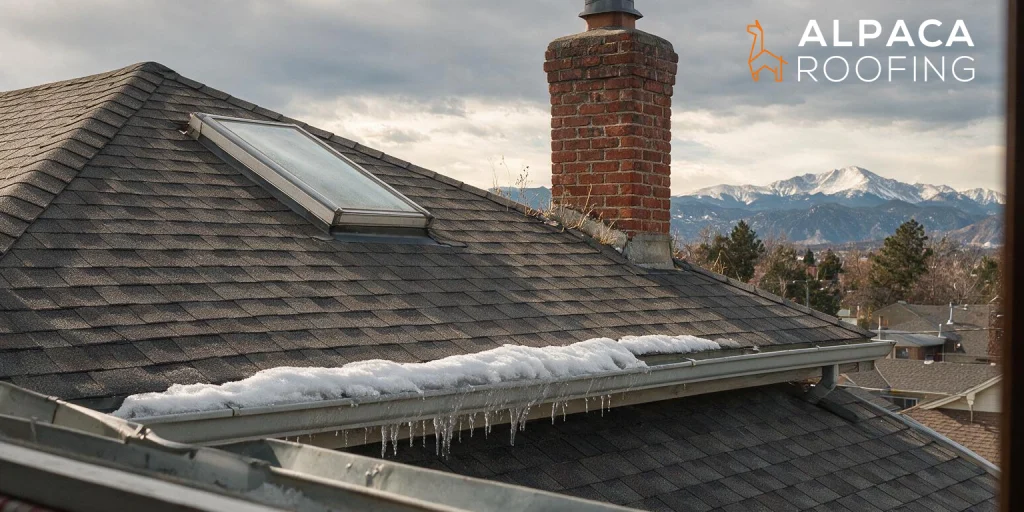
- Melting and refreezing that can contribute to ice-related problems.
- Rapid temperature changes that repeatedly expand and contract roofing components.
For this reason, a roof that looks appropriate for its age on paper may perform differently after years of Colorado weather.
How Installation Quality Affects Roof Longevity
Even a high-quality roofing product may underperform when it is installed incorrectly. Roof longevity depends on much more than the visible shingles. Underlayment, flashing, drip edges, penetrations, ventilation components, fastener placement, decking condition, and manufacturer installation requirements all work together as one system.
Problems can begin when shingles are fastened incorrectly, flashing is reused when it should be replaced, damaged decking is covered instead of repaired, or ventilation is overlooked. Some installation problems may not cause an immediate leak. Instead, they can create weak points that become more noticeable after several seasons of wind, snow, heat, or storms.
When considering a new roof, choosing the appropriate materials and installation approach is therefore just as important as comparing expected product lifespans. Homeowners planning a project can learn more about the typical scope of professional roof installation services.
How Ventilation and Attic Moisture Affect Roof Performance
A roof also needs to perform from underneath. Poor attic ventilation, excessive heat, air leakage, and trapped moisture can contribute to roofing and structural problems even when the exterior materials initially appear normal.
According to ENERGY STAR’s attic ventilation guidance, proper attic airflow can help remove excessive heat during warmer weather and reduce moisture buildup. During winter, appropriate insulation, air sealing, and ventilation can also help reduce conditions that contribute to ice dams.
During an old roof inspection in Denver, it can therefore be useful to look beyond shingles. Damp insulation, stained decking, mold, blocked soffit vents, inadequate exhaust ventilation, or bathroom vents terminating in the attic can point to problems that need attention. Addressing only the exterior roofing material without correcting the underlying moisture or ventilation issue may leave the original problem unresolved.
The answer depends heavily on roofing material, installation, weather exposure, ventilation, and maintenance. Asphalt shingles often provide roughly 20 to 30 years of service under favorable conditions, while metal, tile, and slate can potentially last considerably longer. Colorado hail and other severe weather can shorten those ranges.
Asphalt shingles may last around 20 to 30 years, although some higher-grade products can potentially last longer. Denver's hail, UV exposure, wind, snow, temperature changes, ventilation, and maintenance history can significantly affect the actual lifespan.
Replacement should generally be based on condition rather than age alone. Widespread deterioration, recurring leaks, extensive storm damage, failing materials, or repairs across multiple sections can indicate that replacement should be considered.
Signs That an Older Roof Should Be Inspected
Not every visible imperfection means that you need a new roof. However, certain signs of an aging roof should prompt a closer look, particularly if the roof has already experienced years of Denver weather.
Watch for:
- Missing, lifted, cracked, or damaged shingles
- Noticeable areas of granule loss
- Exposed or deteriorating flashing
- Repeated leaks in different areas
- Water stains on ceilings or attic materials
- Soft, deteriorated, or questionable decking
- Damage following a hail or windstorm
- Previous patches beginning to fail
- Changes in the roofline or areas that appear uneven
Homeowners should also consider an inspection after a significant storm even when no active leak is visible. Some damage can affect the roofing material’s long-term ability to shed water before interior symptoms appear.
Denver Roof Maintenance That May Help Extend Roof Life
Routine Denver roof maintenance cannot prevent every storm-related problem, but it can help identify smaller issues before they develop into larger ones. Maintenance is particularly useful around vulnerable locations such as flashing, roof penetrations, vents, valleys, gutters, and transitions between roofing surfaces.
Practical maintenance may include:
- Keeping gutters and drainage areas clear.
- Removing branches and debris when it can be done safely.
- Watching for loose or missing roofing materials after storms.
- Checking ceilings and attic areas periodically for signs of moisture.
- Keeping tree limbs from rubbing against or falling onto roofing surfaces.
- Having questionable flashing or sealant conditions inspected.
- Scheduling periodic professional inspections as the roof gets older.
Avoid walking unnecessarily on the roof. Foot traffic can damage some roofing materials, and working at height presents a serious fall risk. Many useful observations can be made from the ground, inside the attic, or by a trained roofing professional.
Why Roof Age Alone Does Not Determine Replacement
Homeowners frequently ask how often should a roof be replaced, but there is no single schedule that works for every property. Age helps establish context, but condition matters more.
For example, an older asphalt roof that was properly installed, well ventilated, and relatively protected from major storms may continue functioning without widespread problems. Meanwhile, a newer roof that has experienced significant hail, wind damage, installation defects, or repeated leaks may need substantial repairs much sooner.
This is why the decision about when to replace a roof in Denver should be based on the condition of the complete roofing system. A qualified roofer may evaluate the roofing surface, flashing, penetrations, decking where accessible, ventilation, leak history, previous repairs, and storm damage before recommending the next step.
When Recurring Roof Repairs Become Less Cost-Effective
Repair often makes sense when damage is isolated and the surrounding roofing material still has substantial useful life. Replacing several damaged shingles, repairing flashing, or correcting one localized leak may restore performance without requiring an entire new roof.
However, recurring repairs can become less practical when problems are appearing across multiple areas. If an older roof has widespread deterioration, repeated leaks, extensive storm damage, or repairs from several different periods, continuing to patch individual areas may only postpone a larger project.
At that point, comparing another repair with a complete roof replacement in Denver can provide a clearer picture of the available options. A responsible roofing company in Denver should be able to explain what can reasonably be repaired, what cannot, and why replacement may or may not make sense.
What Can Affect Roof Replacement Cost, Complexity, and Timeline?
If an inspection eventually leads to roof replacement Denver Colorado homeowners should expect the scope of work to depend on much more than square footage alone. Two homes of similar size can require very different roofing projects.
Factors can include:
- Roof size, pitch, height, and architectural complexity
- Roofing material selected
- Number of existing roofing layers
- Condition of the roof decking
- Flashing, valleys, chimneys, skylights, and other penetrations
- Accessibility around the property
- Ventilation or moisture issues that need correction
- Amount of material that must be removed
- Storm-related damage requiring additional work
- Local permitting and inspection requirements
- Weather conditions during the project
- Additional structural or code-related issues discovered after removal
Denver also has specific roofing permit requirements. The City and County of Denver states that new roofs and certain roof repairs or replacements require permits, including repairs exceeding the applicable size threshold. Homeowners can review the city’s current roofing and siding permit information before beginning a project. Because requirements can change and different properties may have additional considerations, the current rules should be confirmed for the specific project.
When to Contact a Qualified Roofing Professional
Roof evaluation is generally not a good DIY project when it requires climbing onto the roof, investigating storm damage, opening roofing materials, or diagnosing an active leak. Steep slopes, damaged decking, snow, ice, wet surfaces, and loose materials can create serious safety risks.
Consider contacting Denver roofing experts when you notice an active leak, missing materials, possible hail damage, recurring repair problems, visible deterioration, or an older roof whose history is uncertain. A professional inspection can also be valuable before purchasing a property or when you cannot determine whether previous roof work was properly completed.
The goal of an inspection should not simply be to recommend replacement. It should help establish the condition of the roof, identify problems that require attention, and explain whether maintenance, repair, monitoring, or replacement is the most reasonable next step.
Understanding the Remaining Life of Your Denver Roof
So, how long does a roof last in Denver? For many asphalt roofs, a couple of decades is a reasonable general expectation, while metal, tile, slate, and other systems may last substantially longer. However, Denver’s hail, sun, snow, wind, temperature changes, installation quality, and attic conditions can all influence the actual outcome.
Instead of treating a particular birthday as an automatic replacement deadline, pay attention to the roof’s condition and history. If you have an aging roof, recently experienced a major storm, or are dealing with repeated leaks and repairs, an inspection can help establish whether your roof still has useful life remaining. Homeowners who need an evaluation can contact a Denver roofing company to discuss the condition of their roof and the appropriate next steps.