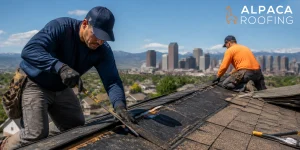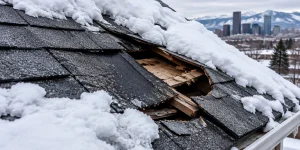
A commercial roof in Denver can go through months of changing weather without showing an obvious problem from the ground. Between heavy snowfall, freezing temperatures, spring hailstorms, strong winds, and intense summer sunlight, commercial roofing systems face conditions that gradually wear down materials and expose existing weaknesses. For property owners and facility managers, the challenge is knowing whether the roof is performing as expected or developing problems that could eventually affect tenants, equipment, inventory, and daily operations.
Unlike residential roofs, many commercial buildings have large flat or low-slope roofing systems with drainage components, mechanical equipment, membrane seams, and numerous penetrations. These features require regular attention because even a small opening around a flashing detail or a blocked roof drain can allow moisture to enter the building. Scheduling a commercial roof inspection in Denver is one of the most practical ways to identify potential issues before they become disruptive repairs. Understanding how often inspections should occur, what professionals look for, and how maintenance affects long-term roof performance can help building owners make informed decisions.
How Often Should Commercial Roofs Be Inspected in Denver?
Commercial roofs in Denver should generally be inspected at least twice per year, ideally once in the spring and once in the fall. Additional inspections are recommended after significant hailstorms, high winds, heavy snow events, or whenever signs of water intrusion appear. This schedule aligns with guidance from the National Roofing Contractors Association (NRCA), which emphasizes routine inspections and additional evaluations following severe weather.
However, inspection frequency should also reflect the roof’s age, material, condition, maintenance history, and exposure to weather. Older roofs, buildings with recurring drainage problems, and properties with substantial rooftop equipment may benefit from more frequent evaluations. A qualified Denver commercial roofing company can help determine an appropriate schedule based on the property’s specific needs.
Why Routine Commercial Roof Inspections Matter in Denver
Denver’s climate makes commercial roof maintenance particularly important. During winter, accumulated snow and repeated freezing and thawing can stress drainage systems and roofing details. As temperatures rise, melting snow may expose openings around seams, flashing, or rooftop penetrations. During warmer months, hail and wind can damage roofing materials, loosen components, or create punctures that are difficult to recognize without a closer inspection.
According to Colorado State University’s climate research, severe thunderstorm activity in Colorado is concentrated primarily between March and October, with a peak around early June. For commercial properties throughout the Denver metropolitan area, that means roof inspections should account for both winter conditions and the warmer months when severe storms are more common.
Routine inspections help establish a record of the roof’s condition over time. Instead of waiting until water appears inside an office or warehouse, property managers can identify deteriorating materials, address drainage concerns, and schedule necessary repairs. This approach is especially valuable for commercial buildings where an unexpected leak could interrupt operations or affect multiple tenants.
The Best Times of Year to Schedule Commercial Roof Inspections
For most commercial buildings in Denver, spring and fall provide practical opportunities to assess roofing conditions and prepare for seasonal changes.
A spring inspection, typically scheduled after the most severe winter weather has passed, focuses on identifying damage associated with snow, ice, freezing temperatures, and winter winds. It also allows property owners to address vulnerable areas before the period of increased hail and thunderstorm activity.
A fall inspection helps determine how the roof performed through summer and prepares it for colder temperatures and potential snowfall.
A practical inspection schedule includes:
Spring: Check for winter-related damage, deteriorated flashing, drainage obstructions, and membrane separation.
Fall: Review weather-related wear, examine repairs made during the year, and prepare drainage systems for winter.
After significant storms: Look for hail damage, displaced materials, punctures, and loose rooftop components.
Following rooftop construction: Inspect areas affected by HVAC installations, equipment servicing, or other contractor activity.
When leaks appear: Arrange an evaluation promptly rather than waiting for the next scheduled inspection.
Commercial roof maintenance in Denver should follow a consistent schedule while remaining flexible enough to address unexpected conditions. Buildings with known weaknesses may require additional visits until the underlying issues are resolved.
Why Inspections Before and After Storm Season Are Valuable
Preparing a commercial roof before storm season is primarily about identifying existing vulnerabilities. Loose flashing, deteriorated seams, unsecured equipment components, or damaged drainage systems may become more problematic during heavy rainfall, hail, and strong winds. Addressing these conditions beforehand can reduce the likelihood of avoidable water intrusion.
After a significant storm, the inspection serves a different purpose: identifying new damage. Hail can affect different roofing systems in different ways. For example, an impact may damage the surface of a membrane, affect insulation beneath it, or compromise rooftop equipment. Strong winds may also affect perimeter flashing and roof-edge components.
Not every storm requires major repairs, and visible marks do not automatically mean the roofing system needs replacement. Nevertheless, a professional evaluation can distinguish cosmetic changes from damage that affects performance.
Building owners can also review the National Weather Service’s Denver/Boulder storm reports to better understand significant local weather events.
What Professionals Check During a Commercial Roof Inspection
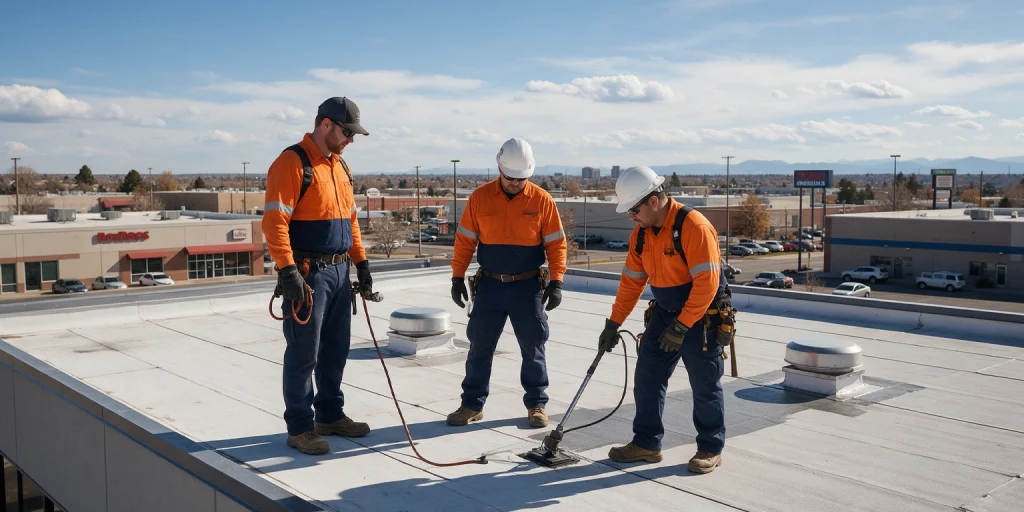
A proper flat roof inspection in Denver involves more than walking across the roof and looking for obvious holes. Roofing professionals examine the materials, connections, drainage features, and surrounding components that work together to keep water outside the building.
Depending on the roof type and accessibility, an inspection may include:
Membrane seams: Checking TPO, EPDM, PVC, and other roofing membranes for separation, punctures, cracks, or deterioration.
Flashing: Examining the waterproofing around walls, roof edges, parapets, and equipment bases.
Roof drains: Looking for blockages, damaged strainers, accumulated debris, or evidence of standing water.
Penetrations: Inspecting areas surrounding pipes, vents, electrical conduits, and other components passing through the roof.
Rooftop equipment: Reviewing HVAC supports, equipment curbs, attachments, and areas affected by maintenance activity.
Roof surfaces: Identifying damaged materials, exposed insulation, unusual movement, or signs of moisture-related deterioration.
Professionals may also examine interior ceilings, walls, and other accessible areas for evidence of leakage. When necessary, additional moisture-detection methods can help investigate problems that are not visible during a standard inspection.
The goal is to understand the roof’s overall condition and identify repairs that may be necessary. When damage is discovered, services such as commercial roof repair in Denver can address specific issues before they become more extensive.
Most flat commercial roofs should be inspected at least twice annually, preferably in spring and fall. Additional inspections are recommended after significant hailstorms, strong winds, or other potentially damaging weather. Older roofs and buildings with recurring leaks may require more frequent evaluations.
Yes, especially if the building experienced significant hail. Damage to commercial roofing membranes, flashing, or rooftop equipment may not be immediately visible from the ground. A professional inspection can identify potential problems and help determine whether repairs are necessary.
Active water leaks, persistent ponding water, damaged flashing, separated membrane seams, and visible storm damage are common warning signs. Interior ceiling stains, damp insulation, and recurring moisture problems can also indicate roofing issues. These conditions should be evaluated promptly to limit further damage.
Ponding Water and Commercial Roof Drainage Problems
Flat commercial roofs are not supposed to be completely level. Most are designed with enough slope to direct water toward drains, gutters, or scuppers. However, debris accumulation, damaged drainage components, insulation settlement, and changes in roof elevation can interfere with proper water movement.
When water remains in low areas instead of draining, the condition is commonly called ponding water. Persistent standing water deserves attention because it may contribute to membrane deterioration, place additional weight on the roof, and increase the consequences of existing waterproofing defects.
Consider a warehouse with a partially blocked roof drain. During a summer thunderstorm, water may accumulate around the obstruction. Even if the membrane is intact, repeated ponding can expose weak seams or damaged flashing to prolonged moisture.
Routine flat roof maintenance in Colorado should therefore include checking drainage paths and investigating recurring water accumulation.
The Travelers commercial roof inspection guide also identifies standing water, roof drains, and accumulated debris as important inspection considerations.
Importantly, persistent ponding is not always solved by simply removing debris. Some drainage problems require adjustments to roof slope, insulation, or drainage design.
Identifying Small Roof Leaks Before They Affect Tenants
One of the most important benefits of preventive roof maintenance in Denver is identifying moisture problems before they spread into occupied spaces.
Commercial roof leaks are not always immediately obvious. Water can enter through a damaged seam, travel along insulation or structural components, and appear inside the building some distance from the original opening.
For example, a property manager may notice a small stain on a ceiling tile near an office hallway. Although the stain appears minor, the moisture could originate from deteriorated flashing around a rooftop HVAC unit several feet away.
Other warning signs include:
Discolored ceiling tiles or walls
Damp insulation or unusual indoor moisture
Repeated leaks during heavy rainfall
Water appearing around rooftop equipment locations
Peeling interior finishes or persistent musty odors
Moisture around electrical fixtures or building systems
These symptoms should not be ignored, particularly when a building houses sensitive equipment, valuable inventory, or occupied commercial spaces.
Professional commercial roof leak repair in Denver should focus on locating the source of water intrusion and correcting the underlying problem, rather than simply covering visible interior damage.
Documenting Roof Conditions for Maintenance, Budgeting, and Insurance
Commercial roof inspections also provide valuable documentation for building owners and property managers.
A useful inspection report should identify the roofing system, describe observed conditions, note areas requiring attention, and include photographs when appropriate. Maintaining these records allows property owners to compare roof conditions over time and monitor whether previously identified problems are worsening.
For property management roofing in Denver, organized documentation can support several important decisions.
First, it helps establish maintenance priorities. A building with several minor flashing issues may need targeted repairs, while a roof showing widespread membrane deterioration may require a longer-term restoration or replacement plan.
Second, inspection reports help with financial planning. Instead of facing an unexpected roofing expense, owners can evaluate anticipated maintenance needs and prepare future budgets.
Finally, dated inspection photographs and repair records may be useful when discussing storm damage with an insurance provider. However, documentation does not guarantee insurance coverage or claim approval. Coverage depends on the individual policy, the circumstances of the damage, and the insurer’s evaluation.
Keeping consistent records creates a clearer picture of how the roofing system has performed throughout its service life.
Preventive Commercial Roof Maintenance vs. Reactive Repairs
Preventive maintenance and reactive repairs serve different purposes.
Preventive maintenance focuses on identifying and addressing minor issues before they cause significant problems. Examples include repairing small membrane defects, correcting vulnerable flashing details, removing debris from drainage areas, and monitoring previously repaired sections.
Reactive repairs occur after a problem has already developed, such as an active leak, storm-related damage, or significant material failure.
Both approaches are sometimes necessary. Severe storms can cause unexpected damage even to properly maintained roofs. However, relying entirely on reactive repairs can leave property owners dealing with water intrusion at inconvenient times.
For example, discovering a roof leak during normal business hours may require protecting inventory, relocating employees, or temporarily closing part of a facility. A scheduled inspection offers an opportunity to identify certain problems before they reach that stage.
A practical maintenance strategy combines regular evaluations, appropriate repairs, and a clear process for responding to unexpected damage.
What Affects Commercial Roof Inspection Costs and Complexity?
The cost and scope of a commercial roof inspection in Denver depend on the property and the level of evaluation required. A straightforward visual inspection of an accessible roof generally involves less work than diagnosing recurring leaks across a large building with multiple roofing sections.
Several factors can influence the process:
Roof size: Larger buildings require more time to evaluate thoroughly.
Roofing material: TPO, EPDM, PVC, metal, and built-up systems have different inspection considerations.
Accessibility: Roof height, access points, safety requirements, and equipment placement can affect the work involved.
Existing damage: Active leaks or suspected moisture beneath the membrane may require additional investigation.
Inspection methods: Specialized moisture testing or other diagnostic services may involve additional equipment.
Urgency: Emergency inspections following severe storms may involve different scheduling considerations.
Documentation requirements: Detailed condition assessments and reports may require more time than basic visual evaluations.
Building owners should clarify what an inspection includes before scheduling service. Some evaluations are limited to visible conditions, while others involve additional diagnostic work.
A qualified roofing company in Denver should explain the recommended scope and any additional services that may be necessary based on the roof’s condition.
When Should a Commercial Roof Be Repaired, Restored, or Replaced?
An inspection may reveal that a roof needs routine maintenance, targeted repairs, restoration, or full replacement. The appropriate recommendation depends on the extent of deterioration, the condition of the underlying roofing components, and whether the existing system can continue performing reliably.
Localized problems, such as an isolated puncture or damaged flashing, may be suitable for repair when the surrounding roofing materials remain in serviceable condition.
Restoration may be an option for certain aging roofing systems, depending on their condition, compatibility with restoration materials, existing moisture, and manufacturer requirements. Restoration is not appropriate for every roof, particularly where extensive moisture or structural concerns exist.
When deterioration is widespread, repairs repeatedly fail, or the underlying system is compromised, commercial roof replacement may be the more practical long-term approach.
Property owners considering a new roofing system can also explore commercial roof installation options to better understand available materials and their suitability for different types of buildings.
The important distinction is that roof age alone should not determine whether replacement is necessary. A detailed condition assessment provides a stronger basis for evaluating the available options.
When to Contact a Professional Denver Roofing Company
Commercial roof inspections involve working at height, navigating rooftop equipment, and evaluating components that may not be safe for an untrained person to access.
Building owners and property managers should avoid walking on roofs during icy, wet, windy, or otherwise hazardous conditions. Areas showing significant ponding, structural movement, or possible deck deterioration require particular caution.
Professional assistance is especially important when:
Water is actively entering the building.
Significant hail or wind damage is suspected.
Roofing materials appear loose, damaged, or displaced.
Ponding water repeatedly develops in the same locations.
Previous repairs have not resolved recurring leaks.
The roof is approaching a major restoration or replacement decision.
A qualified contractor can evaluate the situation, explain the observed conditions, and recommend appropriate next steps.
For businesses seeking a Denver roofing company, Alpaca Roofing provides commercial roofing services, including repair, installation, and replacement.
Building a Long-Term Commercial Roof Maintenance Plan
The most effective inspection schedule is one that remains consistent and adapts as the roof ages.
For many Denver commercial properties, spring and fall inspections provide a reasonable starting point. Additional evaluations following damaging storms, rooftop construction, or reported leaks help address circumstances that cannot be predicted by a routine calendar.
Property owners should also maintain a central record containing previous inspection findings, repair documentation, installation information, and available warranty materials. This helps ensure that maintenance decisions remain informed even when property management personnel or service providers change.
Ultimately, commercial roof inspections are about more than identifying immediate damage. They help protect building operations, manage maintenance priorities, and provide better information for future roofing investments.
If your commercial property is due for an inspection or showing signs of deterioration, you can contact Alpaca Roofing to discuss its condition and available roofing services.