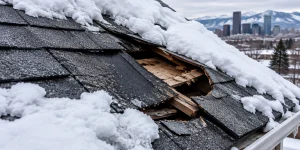
Choosing a new roof in Denver involves more than finding a material that looks good or fits within a budget. Colorado’s Front Range experiences a combination of severe hailstorms, strong winds, heavy spring snow, intense summer sunlight, and frequent temperature changes. A roof that performs well in a milder climate may not offer the same protection in Denver, where roofing materials must withstand several different types of weather throughout the year. For homeowners considering roof replacement, the challenge is finding a material that balances durability, weather resistance, maintenance requirements, and long-term value.
The decision becomes particularly important when an existing roof has already experienced hail damage or begun showing signs of deterioration. Some homeowners want a straightforward replacement using architectural asphalt shingles, while others are considering impact-resistant products or metal roofing for additional durability. Commercial property owners face different considerations, particularly when choosing roofing membranes for flat or low-slope buildings. Understanding how these materials perform in Denver’s climate can help property owners make informed decisions before investing in a new roofing system.
What Is the Best Roof for Denver Weather?
For most residential properties, Class 4 impact-resistant architectural asphalt shingles are among the best roofing materials for Colorado because they combine practical affordability, durability, and improved resistance to hail impacts. High-quality architectural shingles are also a strong option, while standing-seam metal roofing may be worth considering for homeowners prioritizing long-term service life and reduced routine maintenance.
However, the best roof for Denver weather ultimately depends on the building’s roof slope, structural design, budget, and exposure to severe weather. Commercial buildings with flat or low-slope roofs generally require specialized membrane systems, such as TPO, EPDM, or PVC. No roofing material is completely hail-proof, and proper installation is just as important as choosing the product itself.
How Denver’s Weather Affects Roofing Materials
Denver’s climate creates several challenges that should influence roofing material selection. Hail is one of the most significant concerns, particularly during spring and summer thunderstorms. Depending on the size and density of the hailstones, impacts can damage asphalt shingles, dent metal panels, and affect exposed roofing components. Strong winds can also loosen shingles, damage flashing, or expose vulnerable areas around roof edges and penetrations.
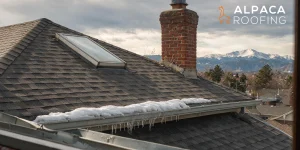
Winter introduces different challenges. Accumulating snow adds weight to roofing systems, while melting and refreezing can contribute to ice buildup near gutters and roof edges. Denver’s frequent sunny days also expose roofing materials to ultraviolet radiation, which gradually affects certain products. Consequently, a suitable roofing system should address several conditions:
Hail resistance: The ability to withstand impacts without cracking or losing protective functionality.
Wind resistance: Proper fastening and installation to reduce the risk of shingles or panels lifting.
Snow and moisture management: Effective drainage, ventilation, and waterproofing details.
UV resistance: Materials designed to tolerate prolonged sunlight exposure.
Temperature changes: Components capable of accommodating expansion, contraction, and seasonal movement.
These factors explain why product specifications, roof design, and installation practices should all be evaluated together rather than selecting roofing materials based on appearance alone.
Architectural Asphalt Shingles: A Practical Choice for Denver Homes
Architectural asphalt shingles remain a popular residential roofing option because they provide a reasonable balance between upfront cost, appearance, and performance. Unlike traditional three-tab shingles, architectural shingles feature multiple layers that create a thicker profile and provide additional durability. They are available in different colors and styles, making them suitable for many established Denver neighborhoods.
For homeowners researching asphalt shingles in Denver, architectural products are often a sensible starting point. They generally cost less to install than standing-seam metal roofing and are familiar to residential roofing contractors. Individual damaged shingles may also be repairable or replaceable when the surrounding roof remains in acceptable condition.
However, not all architectural shingles provide the same level of protection. Wind ratings, impact resistance, product construction, and manufacturer installation requirements vary. Standard architectural shingles may experience significant damage during severe hailstorms, especially as the roof ages.
Homeowners considering a new residential roof installation should compare specific products rather than assume all architectural shingles perform similarly. In Denver, upgrading to an impact-resistant architectural shingle may provide additional value.
Class 4 Impact-Resistant Shingles: A Strong Option for Hail Protection
Class 4 impact-resistant shingles are frequently recommended for Colorado homes because of the region’s exposure to severe hailstorms. These shingles are engineered and tested to tolerate impacts that may damage conventional roofing products.
The Class 4 designation commonly refers to the highest impact-resistance classification under the UL 2218 testing standard. During testing, roofing samples are subjected to steel-ball impacts designed to evaluate their resistance to physical damage. However, this classification does not mean the shingles are immune to damage from actual hailstorms.
According to the Insurance Institute for Business & Home Safety, standardized impact testing provides useful information about roofing performance, although real hail can produce different damage patterns than laboratory tests. Homeowners should consider both the Class 4 rating and any additional independent hail-performance evaluations available for the specific product.
When comparing the best shingles for hail, consider the following:
Verified impact-resistance classification and product specifications.
Manufacturer wind-resistance ratings.
Installation requirements and compatibility with the existing roof.
Expected service life and available warranty terms.
Additional upfront expense compared with conventional shingles.
For homeowners researching impact resistant shingles in Denver, Class 4 products may be especially appealing when replacing a roof after storm damage. Still, even hail resistant roofing in Colorado should be inspected following significant storms.
Understanding the common signs of hail damage on a roof can help property owners recognize when professional evaluation is necessary.
Standing-Seam Metal Roofing: Long-Term Durability and Performance
Metal roofing is another option worth evaluating, particularly for homeowners planning to remain in their properties for many years. Standing-seam systems use interlocking metal panels with raised seams, typically concealing the fasteners beneath the panel surface. This design reduces the number of exposed fastener penetrations and accommodates movement associated with temperature changes when properly engineered.
One advantage of metal roofing in Denver is its potential for a longer service life than conventional asphalt shingles. Metal also resists deterioration from prolonged sunlight exposure and can shed snow effectively on appropriately designed sloped roofs. Certain coated metal roofing products offer improved solar reflectivity, helping reduce roof surface temperatures during warmer months.
However, metal roofing comes with important considerations. Larger hailstones can leave visible dents even when the roofing system remains functional. Metal roof performance also depends on panel thickness, material type, coating, fastening method, and impact rating.
Additionally, standing-seam installation generally requires a greater upfront investment and specialized workmanship. The roof structure, snow-shedding locations, gutters, and adjoining walkways must also be considered. For some homeowners, these factors make metal roofing an attractive long-term investment, while others may achieve a better balance of cost and protection with impact-resistant shingles.
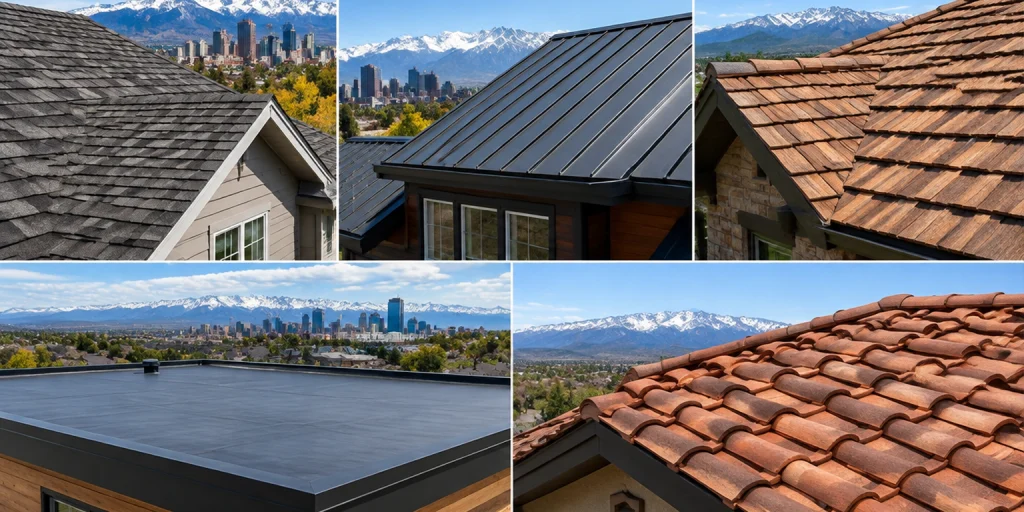
Class 4 impact-resistant architectural shingles are among the strongest all-around choices for many Colorado homes because of their balance of cost, hail resistance, and availability. Standing-seam metal roofing is another option for homeowners prioritizing potential longevity. The right material depends on the building design, budget, and specific product ratings.
Class 4 shingles can be a worthwhile upgrade for homes exposed to frequent hailstorms. They are designed to resist impacts more effectively than standard products, although severe hail can still damage them. Homeowners should compare the additional installation cost, independent product performance data, and any insurance discounts offered by their insurer.
A roof's lifespan depends on its material, installation quality, maintenance, and exposure to hail and other severe weather. Architectural asphalt shingles commonly have expected service lives measured in decades, while properly installed metal systems can last longer. Actual performance can differ substantially from manufacturer estimates.
Flat and Low-Slope Roofing Materials for Denver Commercial Buildings
Commercial buildings often require different roofing systems than residential properties. Warehouses, retail buildings, offices, and other commercial facilities frequently feature flat or low-slope roofs, where conventional asphalt shingles are generally unsuitable because water drains more slowly.
Common commercial roofing materials in Denver include:
TPO (Thermoplastic Polyolefin): A single-ply membrane commonly used on commercial roofs, available in reflective finishes and installed with heat-welded seams.
EPDM (Ethylene Propylene Diene Monomer): A synthetic rubber membrane known for flexibility and resistance to weather exposure.
PVC (Polyvinyl Chloride): A thermoplastic membrane with heat-welded seams and useful resistance to certain chemicals and environmental conditions.
Each material has advantages and limitations. TPO and PVC are often considered when reflectivity and welded seams are priorities. EPDM may be appropriate for projects where flexibility and established membrane performance are important.
Nevertheless, membrane selection should account for drainage, insulation, rooftop equipment, wind uplift, and hail exposure. The protective assembly beneath the membrane can significantly influence impact performance.
For commercial property owners planning new commercial roof installation, evaluating the entire roofing system is more valuable than comparing membrane materials alone.
Comparing Upfront Cost Against Expected Roof Lifespan
The least expensive roofing material initially is not necessarily the most economical choice over the life of a building. Architectural shingles typically have a lower upfront cost than standing-seam metal roofing, but they may require replacement sooner depending on weather exposure, product quality, and maintenance.
Class 4 impact-resistant shingles generally carry a higher material cost than comparable conventional shingles. However, their improved impact resistance may reduce the likelihood of certain types of hail-related damage. Metal roofing often requires a larger initial investment, although its potential longevity may justify that expense for some property owners.
Expected service life is not fixed. Manufacturer estimates and warranty periods should not be interpreted as guarantees of actual field performance. Repeated hailstorms, poor ventilation, installation defects, and delayed repairs can shorten a roof’s useful lifespan.
Homeowners evaluating roof replacement options in Denver should compare the total investment, anticipated maintenance, future repair needs, and how long they intend to own the property.
Why Roof Slope and Building Design Matter
Roof slope plays a major role in determining which materials are appropriate. Steeper residential roofs are commonly designed for shingles, metal panels, and other steep-slope systems. Flat and low-slope roofs require materials and assemblies specifically designed to manage slower drainage and standing-water risks.
However, slope is only one consideration. Roof valleys, skylights, chimneys, ventilation openings, and transitions between roof sections create areas where water infiltration may occur if flashing or waterproofing details are inadequate.
A qualified roofing contractor should evaluate whether the selected product meets the manufacturer’s minimum slope requirements and whether the roof structure can support the proposed system. This is especially important when changing from one roofing material to another rather than replacing an existing system with a similar product.
Maintenance and Repair Requirements for Different Roofing Materials
Every roofing material requires some level of maintenance. Asphalt shingles should be inspected for missing pieces, damaged flashing, granule loss, and other signs of deterioration. Metal roofing generally requires less frequent surface maintenance, but seams, penetrations, coatings, and drainage components still need attention.
Flat commercial roofs require particular attention to drains, membrane seams, rooftop equipment, and areas where water may collect. Even a relatively small drainage obstruction can create problems when snow melts or heavy rain occurs.
Scheduling periodic inspections and addressing minor problems early can help prevent more extensive repairs. Property owners interested in preventive care can explore roof maintenance programs to better understand ongoing roofing needs.
Following severe weather, homeowners should also review the signs of roof damage after a storm rather than waiting for interior water stains to appear.
What Affects the Cost and Complexity of Denver Roof Installation?
Roofing estimates vary significantly based on more than the material selected. Two Denver homes of similar size may have different installation requirements because of roof geometry, existing damage, and accessibility.
Several factors can influence the final cost and project timeline:
Roof size and complexity: Larger roofs and those with multiple valleys, dormers, or steep sections require additional labor and materials.
Existing roof condition: Damaged decking, moisture issues, or deteriorated flashing may need correction before installation.
Material selection: Premium impact-resistant shingles and specialty metal systems generally involve higher material costs.
Removal and disposal: Removing existing roofing layers adds labor and disposal expenses.
Accessibility: Building height, landscaping, and limited equipment access can complicate installation.
Ventilation and insulation: Improvements may be necessary to support proper roof performance.
Permits and inspections: Applicable local requirements can influence scheduling and project scope.
Weather conditions: Snow, high winds, and precipitation can interrupt roofing work.
Before approving a proposal, homeowners should request a detailed explanation of materials, installation methods, potential decking repairs, and items excluded from the estimate.
For more information about local requirements, review whether a permit is needed to replace a roof in Denver. Permit requirements should always be confirmed with the authority responsible for the specific property.
When Should You Contact a Professional Roofing Contractor?
Roofing work involves fall hazards, structural considerations, and waterproofing details that are difficult to assess safely from the ground. Homeowners should avoid climbing onto roofs after hailstorms, during icy conditions, or when materials appear loose or damaged.
A professional roof inspection is especially important when shingles are missing, metal panels appear displaced, water enters the building, or visible storm damage is present. Interior ceiling stains, unusual moisture around attic penetrations, and recurring leaks also warrant investigation.
Not every roofing problem requires a complete replacement. Depending on the condition and age of the system, targeted residential roof repairs may be appropriate. Commercial properties experiencing membrane damage or drainage problems may require specialized commercial roofing repair services.
A reputable Denver roofing company should explain whether a repair or replacement is appropriate based on documented conditions rather than automatically recommending the most expensive option.
Choosing the Right Roofing Material for Your Denver Property
The best roofing material for Colorado is ultimately the one that fits the building, addresses local weather risks, and provides an acceptable balance between initial investment and expected performance. For many Denver homeowners, Class 4 impact-resistant architectural shingles offer a practical combination of weather resistance and affordability. Standing-seam metal roofing may be appropriate when longer service life is a priority, while commercial buildings generally benefit from properly designed low-slope membrane systems.
Before making a final decision, compare specific product ratings, installation requirements, and maintenance expectations. Working with an experienced roofing company in Denver can help identify options suited to the roof’s structure, existing condition, and budget.
Alpaca Roofing provides residential and commercial roofing services in Denver, including installation, repairs, and replacements. Property owners exploring their options can contact Alpaca Roofing to discuss their roofing needs and determine the appropriate next steps.